Technology is reshaping how work gets done across industries that were once considered traditional, labor-intensive, or slow to evolve. From construction sites and manufacturing floors to maintenance services and safety-critical environments, innovation is changing how professionals plan, execute, and improve their work. What was once dependent on manual processes and experience alone is now enhanced by data, automation, precision tools, and intelligent systems that improve accuracy, efficiency, and safety.
Many of the jobs driving modern infrastructure now rely on advanced diagnostics, digital monitoring, and automation to meet rising expectations. Climate systems are evaluated using smarter tools, transportation networks are built with greater precision, and manufacturing processes benefit from computerized control that minimizes waste and error. Even highly specialized trades that focus on analysis, transport, or remediation are seeing dramatic improvements thanks to modern technology designed to reduce risk and increase reliability.
Together, these advancements highlight a broader shift in how skilled jobs are performed in today’s economy. As technology continues to evolve, it is not replacing expertise but enhancing it—allowing professionals to work smarter, safer, and more efficiently. The following sections explore how technology is transforming these roles and why embracing innovation has become essential to staying competitive and effective in a rapidly changing world.
Smarter Climate Assessments
Climate control systems are becoming more advanced as technology reshapes how indoor environments are evaluated and maintained. Modern tools allow professionals to gather more accurate data, detect inefficiencies earlier, and assess system performance without relying solely on visual checks or manual testing. This shift enables buildings to maintain consistent comfort levels while reducing energy waste and unexpected system failures.
With digital sensors, thermal imaging, and connected monitoring devices, hvac inspections are now far more precise and predictive than in the past. These tools can identify airflow issues, temperature inconsistencies, and mechanical wear before they lead to breakdowns. The ability to collect and analyze real-time data allows technicians to recommend targeted improvements instead of relying on broad assumptions or reactive repairs.
As technology continues to evolve, smarter climate assessments are becoming essential for both residential and commercial properties. Data-driven evaluations help extend system lifespan, improve energy efficiency, and support sustainability goals. By integrating advanced diagnostics into routine assessments, professionals can deliver more reliable results while property owners benefit from improved comfort and long-term cost savings.
Modernizing Rail Infrastructure
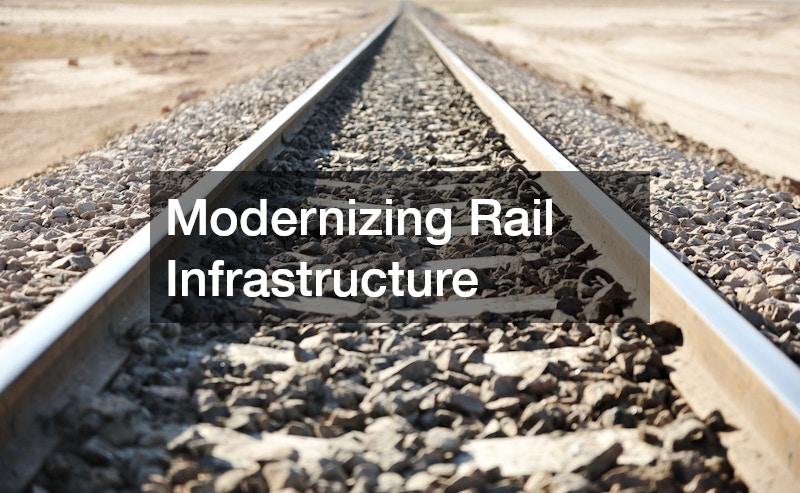
Rail systems play a critical role in transportation and commerce, and modern technology is transforming how rail networks are designed, built, and maintained. Advanced planning software, automated machinery, and real-time monitoring systems are helping projects meet higher safety and efficiency standards. These innovations allow rail infrastructure to support growing populations and increased freight demands more effectively.
In railroad construction, digital modeling and GPS-guided equipment improve accuracy during track placement and alignment. Drones and scanning tools are used to survey terrain, identify potential obstacles, and monitor progress without disrupting operations. These technologies reduce material waste, shorten project timelines, and enhance overall construction precision while improving worker safety.
The modernization of rail infrastructure also supports long-term resilience and performance. Smart monitoring systems can detect wear, stress, and environmental impacts over time, enabling proactive maintenance rather than emergency repairs. By embracing technology, rail projects become more reliable, sustainable, and capable of supporting future transportation needs.
Diagnosing Problems with Precision
Accurately identifying the root cause of mechanical or structural issues has always been critical across industries. Today, technology is elevating diagnostic processes by providing deeper insight into how systems fail and why problems occur. Advanced analytical tools allow professionals to move beyond surface-level symptoms and uncover underlying issues with greater certainty.
Through failure analysis, engineers and technicians use digital simulations, material testing, and data modeling to understand how components behave under stress. These methods reveal patterns that would otherwise go unnoticed, helping teams prevent recurring issues and improve design integrity. By combining historical data with modern testing techniques, organizations can make informed decisions that reduce risk and downtime.
Precision diagnostics also play a key role in safety and quality assurance. Understanding how and why failures occur leads to stronger products, safer environments, and more reliable systems. As industries continue to adopt advanced analysis tools, problem-solving becomes more proactive, efficient, and effective across a wide range of applications.
Automated Precision Manufacturing
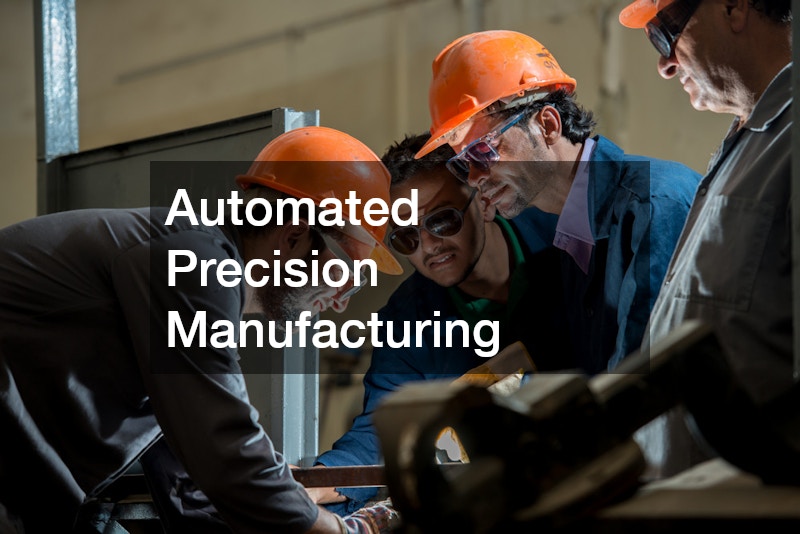
Manufacturing has experienced a significant transformation as automation and digital control systems reshape production methods. Precision, speed, and consistency are now achievable at levels that were once impossible through manual processes alone. These advancements allow manufacturers to meet higher quality standards while reducing waste and operational costs.
With cnc machining, computer-controlled equipment executes complex designs with remarkable accuracy. Digital programming ensures each component is produced consistently, regardless of scale or complexity. This level of control minimizes human error and enables manufacturers to handle intricate designs that require exact tolerances and repeatability.
Beyond efficiency, automated precision manufacturing supports innovation and scalability. Businesses can adapt designs quickly, test prototypes faster, and respond to market demands with greater agility. As technology advances, automated systems continue to redefine what is possible in modern manufacturing environments.
Digital Displays That Adapt
Visual communication has evolved dramatically with the integration of digital technology. Businesses and public spaces now rely on adaptable displays that can change messaging instantly, respond to environmental conditions, and engage audiences more effectively. These advancements allow information to be shared clearly and dynamically across various settings.
A modern led sign uses software-controlled lighting and digital content management to display high-resolution visuals and real-time updates. These signs can adjust brightness, colors, and messaging based on time of day or audience needs. Compared to static signage, digital displays offer greater flexibility and long-term value.
Adaptive digital displays also enhance branding, safety, and communication efficiency. They allow organizations to update information without physical replacements and ensure consistent messaging across multiple locations. As display technology continues to advance, digital signage is becoming an essential tool for modern communication strategies.
Advancing Vertical Transport Systems

Vertical transportation has become a defining feature of modern buildings, especially as cities grow upward and space becomes more limited. Elevators are no longer simple mechanical systems; they are complex networks of controls, sensors, and safety mechanisms designed to move people and materials efficiently through increasingly tall and multifunctional structures. Technology has played a major role in transforming these systems into smarter, faster, and more reliable components of modern infrastructure.
During elevator installation, advanced digital planning tools allow engineers to design systems that account for traffic flow, building usage patterns, and energy efficiency from the very beginning. Smart sensors and computerized control panels enable precise alignment, smoother operation, and improved load management. These technologies help reduce wear on components while enhancing passenger comfort and operational safety throughout the building.
As buildings evolve, vertical transport systems continue to adapt through ongoing technological innovation. Predictive maintenance software, remote diagnostics, and energy-efficient drive systems allow elevators to operate more sustainably and with fewer interruptions. These advancements ensure that vertical transportation remains dependable, safe, and capable of meeting the demands of modern architecture and high-occupancy environments.
Moving Heavy Equipment Efficiently
Transporting heavy machinery and oversized materials has always required careful planning and specialized expertise. Today, technology has significantly improved how these complex operations are managed, reducing risks and increasing efficiency. Modern hauling operations rely on digital coordination and precise execution to ensure that valuable equipment arrives safely and on schedule.
In equipment hauling, advanced route-planning software, GPS tracking, and real-time communication tools help operators navigate logistical challenges. These systems account for road conditions, weight restrictions, and clearance requirements, minimizing delays and avoiding costly errors. Load-monitoring technology further enhances safety by ensuring proper balance and secure transport throughout the journey.
The integration of technology into heavy hauling operations has also improved accountability and transparency. Real-time tracking allows clients and operators to monitor progress, while data analysis helps optimize future transport strategies. As industries continue to rely on large-scale equipment, technological advancements ensure that hauling processes remain efficient, compliant, and dependable.
Innovation at the Edge of Design

Design and production processes are evolving rapidly as technology allows for greater creativity and precision. Industries that once relied on manual drafting and trial-and-error methods now benefit from digital modeling and automated production tools. These innovations enable designers to push boundaries while maintaining consistency and quality across every stage of development.
The development of cutting edges is supported by computer-aided design, precision measurement tools, and automated fabrication systems. These technologies allow for exact tolerances, sharper finishes, and repeatable results that would be difficult to achieve manually. By integrating advanced tools into design workflows, manufacturers can experiment with new materials and complex geometries without sacrificing reliability.
Technological innovation in design also supports efficiency and sustainability. Precise fabrication reduces material waste, while digital testing minimizes the need for physical prototypes. As industries continue to embrace advanced design tools, innovation becomes more scalable, adaptable, and aligned with evolving market demands.
Modern Tools for Safer Cleaning
Cleaning and maintenance services have undergone a major transformation as technology improves safety and effectiveness. Tasks that once required extensive manual labor and visual guesswork are now supported by specialized tools that provide deeper insight and greater control. These advancements are particularly important in environments where safety risks are present.
Today’s chimney cleaners rely on inspection cameras, high-powered vacuums, and precision tools to assess and clean structures thoroughly. Video technology allows professionals to identify blockages, buildup, and structural concerns without unnecessary exposure to hazards. Modern equipment also improves air quality by capturing fine particles more effectively during cleaning.
These technological improvements benefit both service providers and property owners. Safer working conditions reduce risk, while more thorough inspections help prevent fires and system failures. Enhanced documentation, digital reporting, and before-and-after imaging give property owners greater transparency and peace of mind. As cleaning technologies continue to advance, maintenance services become more proactive, precise, and focused on long-term safety and performance.
Technology-Driven Hazard Removal
Hazard removal is one of the most safety-critical areas where technology has made a profound impact. Handling dangerous materials requires strict controls, accurate detection, and reliable containment systems. Modern technology ensures these processes are carried out with greater precision and accountability than ever before.
For asbestos abatement contractors, advanced detection equipment, sealed containment systems, and protective technologies significantly reduce exposure risks. Digital air monitoring and documentation tools allow teams to track conditions in real time and verify compliance with safety regulations. These innovations support safer removal processes while protecting workers and building occupants.
Technology-driven hazard removal also contributes to long-term environmental and structural safety. Improved methods ensure hazardous materials are fully removed and properly disposed of, reducing the risk of future exposure. Data-driven reporting, enhanced filtration systems, and automated safety checks add additional layers of protection throughout the process. As standards continue to evolve, technology remains essential in maintaining safe, responsible, and effective hazard management practices while reinforcing public trust and regulatory confidence.
Technology continues to reshape how essential jobs are performed, improving efficiency, accuracy, and safety across a wide range of industries. From evaluating climate systems and building transportation infrastructure to manufacturing precision components and managing complex logistics, modern tools have elevated both the quality of work and the reliability of outcomes. These advancements demonstrate how innovation enhances skilled professions rather than replacing the expertise behind them.
As systems become smarter and more connected, professionals are able to diagnose issues more precisely, communicate information more effectively, and complete tasks with greater consistency. Digital planning, automation, and advanced monitoring have reduced risks, minimized waste, and allowed projects to be completed faster and more responsibly. Even traditionally manual roles now benefit from tools that support safer working conditions and stronger long-term performance.
The continued integration of technology across these fields highlights a broader shift toward smarter, more sustainable operations. Innovation enables industries to adapt to growing demands, evolving regulations, and higher expectations for quality and safety. As technology advances, these jobs will continue to evolve, offering improved solutions that support infrastructure, communication, maintenance, and environmental responsibility. Ultimately, embracing technological progress ensures that these essential professions remain efficient, dependable, and prepared for the future.